
Beginner Guide to Bullet Journaling: Organize Your Life Creatively
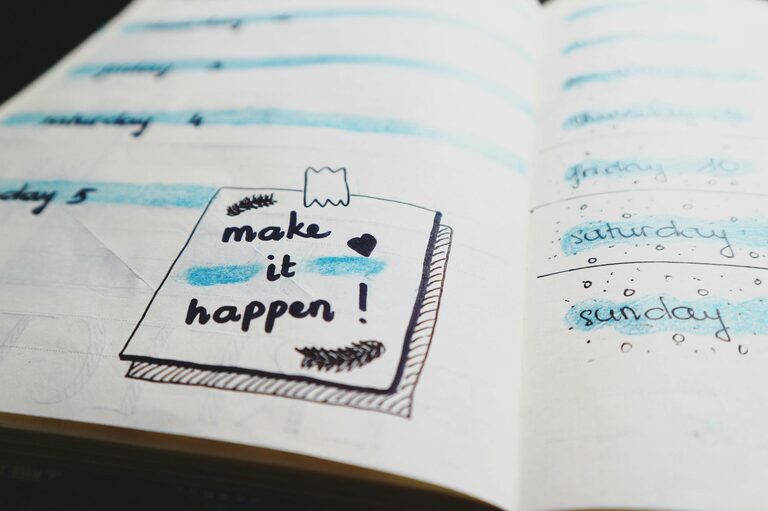
Bullet journaling is a flexible and creative way to keep your tasks, goals, and ideas organized in one place. Whether you’re looking to boost productivity, keep track of daily habits, or simply unleash your creativity, bullet journaling can be a great tool. This beginner guide will walk you through the essentials of bullet journaling so you can get started with confidence.
What Is Bullet Journaling?
Bullet journaling, often called “bujo,” is a method of journaling and planning created by Ryder Carroll. It combines to-do lists, calendars, habit trackers, and notes in a simple, customizable notebook system. The beauty of bullet journaling is that it can be adapted to suit your personal needs and style—there’s no one “right” way to do it.
Why Start Bullet Journaling?
– Customization: You decide what to include—daily tasks, long-term goals, doodles, or reflections.
– Improved Organization: Keeps everything in one place to reduce clutter and stress.
– Increased Mindfulness: Helps you focus on what matters by encouraging intentional planning.
– Creative Outlet: Combines planning with art, making organization fun and rewarding.
What You’ll Need to Get Started
– Notebook: Any blank, lined, dotted, or grid notebook works. Dotted notebooks are popular because they provide a subtle guide for drawing and writing.
– Pen: Choose a pen you enjoy writing with. Some people like fineliners, gel pens, or even colored markers.
– Ruler (optional): Helps draw straight lines for layouts or trackers.
– Basic Supplies: Stickers, washi tape, or stamps can add personality but aren’t necessary.
Basic Components of a Bullet Journal
1. Index
The index is the table of contents for your bullet journal. Reserve the first few pages to list your key collections and their page numbers so you can quickly find what you need.
2. Future Log
This section is for long-term planning. It usually covers several months and helps you jot down important events, appointments, or goals that are coming up later.
3. Monthly Log
The monthly log offers an overview of the current month. It typically includes a calendar or list of dates with appointments and tasks, plus a place to outline monthly goals.
4. Daily Log
This is where you manage your day-to-day to-dos, notes, and events. You can write the date then list tasks, events, or thoughts using bullet points or symbols.
5. Collections
Collections are themed lists or trackers, such as books to read, workout routines, mood trackers, or savings goals. They keep related items organized in one place.
How to Set Up Your Bullet Journal
Step 1: Create the Index
Leave the first 2–4 pages blank for your index. As you add collections or logs, write the title and page number here.
Step 2: Make the Future Log
Divide two pages into sections, each labeled by month. You can add important future dates or big goals here.
Step 3: Set Up the Monthly Log
On a new page, list the days of the month vertically or draw a calendar grid. Add tasks, deadlines, and events for the month.
Step 4: Start Your Daily Log
Each day write the date as a heading. Below it, list your tasks (with checkboxes or symbols), events, and notes.
Step 5: Add Collections
Create extra pages for specific interests or goals, like meal plans, project steps, or habit trackers.
Bullet Journal Symbols and Signifiers
Many bullet journalists use simple symbols to quickly recognize different entries:
– • Task
– X Task completed
– > Task migrated (moved to another day)
– < Task scheduled (moved to future log)
– O Event
– – Note
You can customize these to fit your style.
Tips for Staying Consistent
– Start Small: Don’t overwhelm yourself with fancy layouts at first.
– Set Aside Time Daily: Spend 5–10 minutes each day updating your journal.
– Review Weekly: Reflect on what you accomplished and plan upcoming tasks.
– Be Flexible: Your bullet journal evolves with your needs—feel free to tweak it.
– Keep It Accessible: Carry your journal or keep it nearby to write in it regularly.
Creative Ideas to Try
– Mood Trackers: Use colors or icons to track your mood through the month.
– Gratitude Log: Write down one thing you’re grateful for each day.
– Goal Breakdown: Divide big goals into steps and track your progress.
– Brain Dump Pages: Clear your mind by writing ideas or worries.
– Minimalist Designs: Keep it clean and simple with just black ink and plenty of space.
—
Bullet journaling offers a wonderful blend of organization and creativity. By starting with the basics and tailoring your journal to your life, you can build a habit that helps you stay on track and express yourself. Give it a try—you might find it’s just what you need to bring clarity and calm to your busy days!