
How to Start a Small Herb Garden Indoors: A Beginner’s Guide
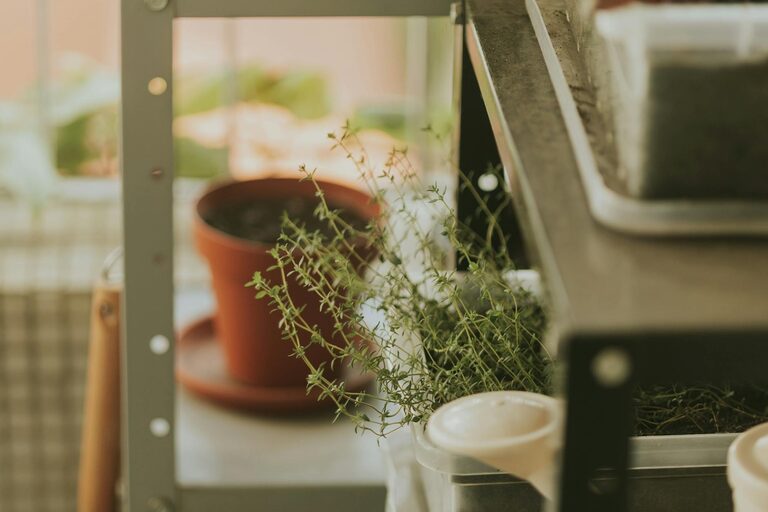
Growing your own herbs indoors is a rewarding and accessible way to enhance your cooking and brighten up your living space. Whether you have a large window sill or just a small corner in your kitchen, a small indoor herb garden can thrive with the right care and setup. This guide will walk you through all the essentials to get your indoor herb garden started successfully.
Why Grow Herbs Indoors?
Indoor herb gardening offers many benefits:
– Fresh, flavorful herbs at your fingertips
– Year-round growing regardless of outdoor weather
– Adds greenery and improves indoor air quality
– Educational and therapeutic gardening experience
– Saves money compared to buying fresh herbs regularly
Choosing the Right Herbs for Indoor Gardening
Some herbs are better suited to indoor growing because they adapt well to container life and lower light levels. Here are some beginner-friendly options:
– Basil: Loves sunlight and warmth, perfect for sunny windows
– Parsley: Thrives in moderate light and regular watering
– Mint: Easy to grow but can spread quickly, best kept in its own pot
– Chives: Hardy and adaptable to lower light environments
– Thyme: Prefers bright light and well-drained soil
– Cilantro: Needs cooler temperatures and good lighting
Select herbs you use often in cooking to enjoy maximum benefits.
Selecting Containers and Soil
Containers should have drainage holes to prevent waterlogging. You can use:
– Small pots (4-6 inches in diameter) for individual herbs
– Window boxes or rectangular planters for multiple herbs
– Recycled containers with proper drainage
Use high-quality potting soil designed for indoor plants. Avoid garden soil as it may be too dense or carry pests.
Finding the Ideal Location
Most herbs require at least 6 hours of sunlight daily. South-facing windows are usually best. If natural light is limited, consider using a grow light. Place your herbs where they can get consistent warmth and air circulation but away from drafts or heating vents.
Planting Your Herb Garden
You can start your indoor herb garden from seeds, seedlings, or cuttings:
– Seeds: More affordable and satisfying but require patience and proper care
– Seedlings: Ready to plant, available at garden centers, and quicker to grow
– Cuttings: Propagate from existing plants, great for sharing and expanding
When planting, fill your container with potting mix, plant seeds or seedlings at appropriate depths, and water gently. Label each herb to keep track.
Caring for Your Indoor Herbs
Watering
Herbs prefer evenly moist soil but dislike sitting in water. Water when the top inch of soil feels dry. Overwatering can lead to root rot.
Light
Monitor light levels daily. If leaves look pale or leggy, your herbs may need more light. Grow lights can supplement natural sunlight.
Fertilizing
Use a balanced, water-soluble fertilizer once a month during the growing season. Avoid over-fertilizing, which can reduce flavor intensity.
Pruning and Harvesting
Regular pruning encourages bushier growth. Harvest leaves by pinching above a leaf node. Harvest in the morning for the best flavor. Avoid removing more than one-third of the plant at once.
Troubleshooting Common Issues
– Yellowing leaves: Could indicate overwatering or nutrient deficiency
– Leggy growth: Insufficient light; move plants closer to light source
– Pests: Watch for aphids or spider mites; rinse plants or use natural insecticidal soap
– Moldy soil: Improve drainage and avoid overwatering
Tips to Keep Your Herb Garden Thriving
– Rotate pots occasionally for even light exposure
– Wipe dust off leaves to help photosynthesis
– Group herbs with similar care needs together
– Use fresh, clean pots to prevent disease
– Enjoy your herbs regularly to encourage growth
Conclusion
Starting a small indoor herb garden is an enjoyable and practical hobby that adds fresh flavors to your meals and a touch of nature to your home. With the right herbs, suitable containers, proper lighting, and attentive care, you can successfully cultivate herbs all year long. Happy gardening!
—
Building an indoor herb garden may take a little effort at the start, but it’s a fulfilling way to connect with nature and improve your cooking at the same time. Give it a try and watch your kitchen come alive with green goodness!